

Clean lines. Sound concrete.

Caulking and concrete patching for builders, strata and homeowners across the Gold Coast.

Two trades.
One standard of finish.

Both are judged in millimetres, at eye level, after everyone else has packed up. A wavy bead or a proud patch makes a finished building look unfinished. We do the opposite.

Precast facade panels with clean sealed movement joints in raking light

Caulking

Joint sealing for movement, weather and finish. Backed, gunned and tooled to a uniform line.

  • Expansion and control joints. Slabs, panels and walkways, cut clean, backed and sealed to move with the structure.
  • Facade and perimeter sealing. Window and door perimeters, precast joints and capping lines against wind-driven rain.
  • Wet areas and sanitary silicone. Bathrooms, kitchens and laundries in mould-resistant silicone with even, tooled lines.
  • Remedial recaulking. Failed, split or mouldy joints cut out, prepped and resealed properly, not smeared over.

A fresh concrete patch being finished flush with a steel trowel

Concrete patching

Broken, spalled and cracked concrete cut back and rebuilt to a flush, matched finish.

  • Spalling and edge repair. Drummy, cracked and spalled concrete cut back, treated and rebuilt square to the original profile.
  • Crack repair. Cracks in slabs, driveways and walls routed and filled so they stop moving and stop showing.
  • Surface reinstatement. Patches finished to match the surrounding surface, not filled and left proud.
  • Trip hazards and levelling. Raised edges and uneven paths ground back and patched safe for feet, wheels and audits.

How a joint gets done properly.

Concrete Concrete
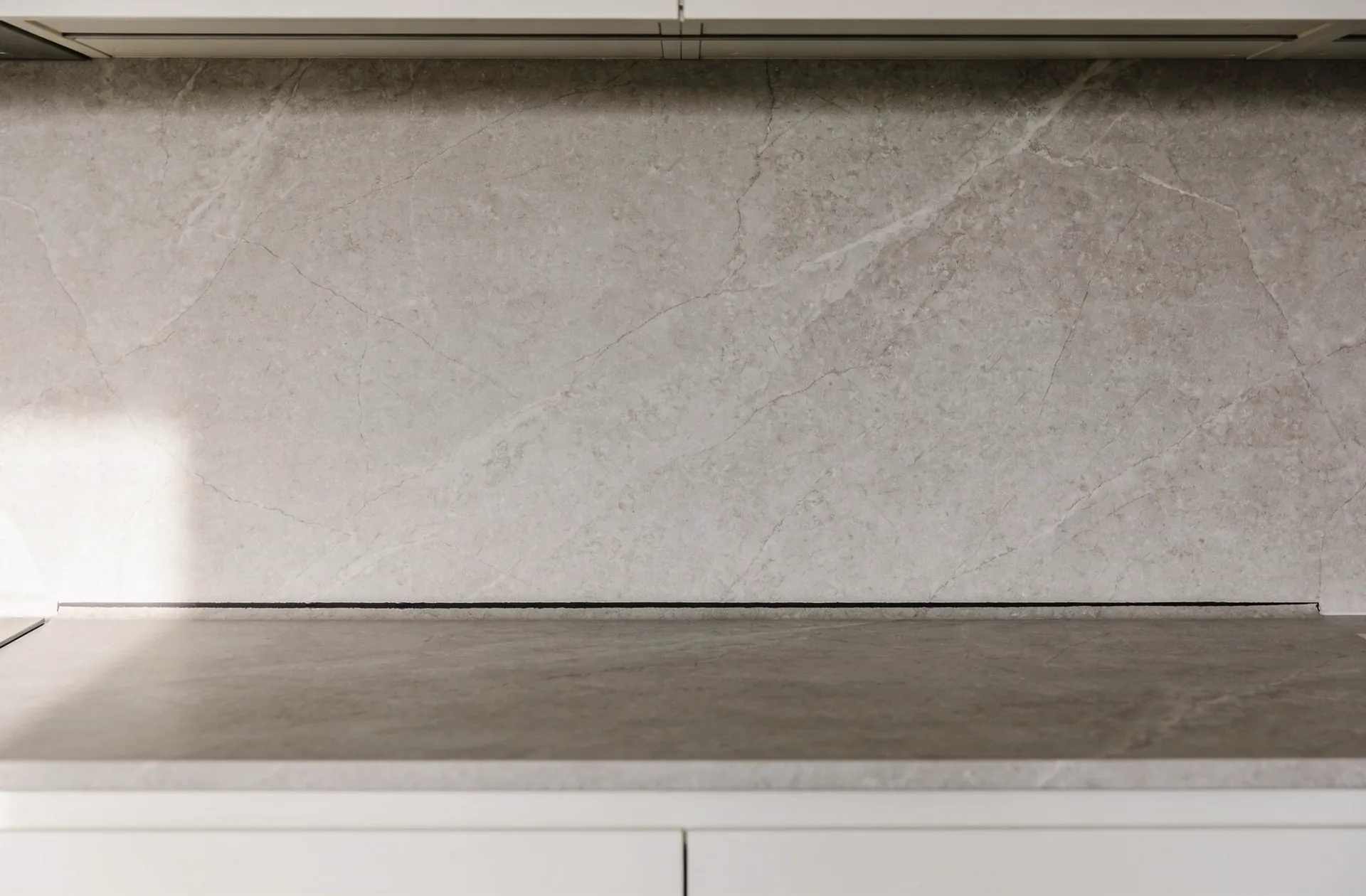
Failed joint Split, mouldy sealant and dirty faces. What we are called in to fix.
  1. Cut out and clean

    New sealant needs sound, clean faces to bond to. The old joint comes out completely, the faces get cut back and cleaned, and the joint is sized so the new bead can move. Preparation gets most of the time on site because it decides how long the work lasts.

  2. Prime the faces

    Primer goes on the two faces the sealant will bond to, where the substrate needs it. It is the difference between a bead that grips the concrete and one that peels off in the first summer.

  3. Set the backer rod

    A foam rod is pressed into the joint to a set depth. It stops the bead bonding on three sides, so the sealant stretches instead of tearing when the building moves. Skip it and the joint fails early.

  4. Gun and tool the bead

    Sealant is gunned in against the rod and tooled to a smooth concave finish. Masking comes off while it is wet, so the edge is dead straight. Then the site is cleaned and every line is checked at eye level before we call it done.

Method described in plain words. Products, ratios and cure times are specified per job.

From recent jobs.

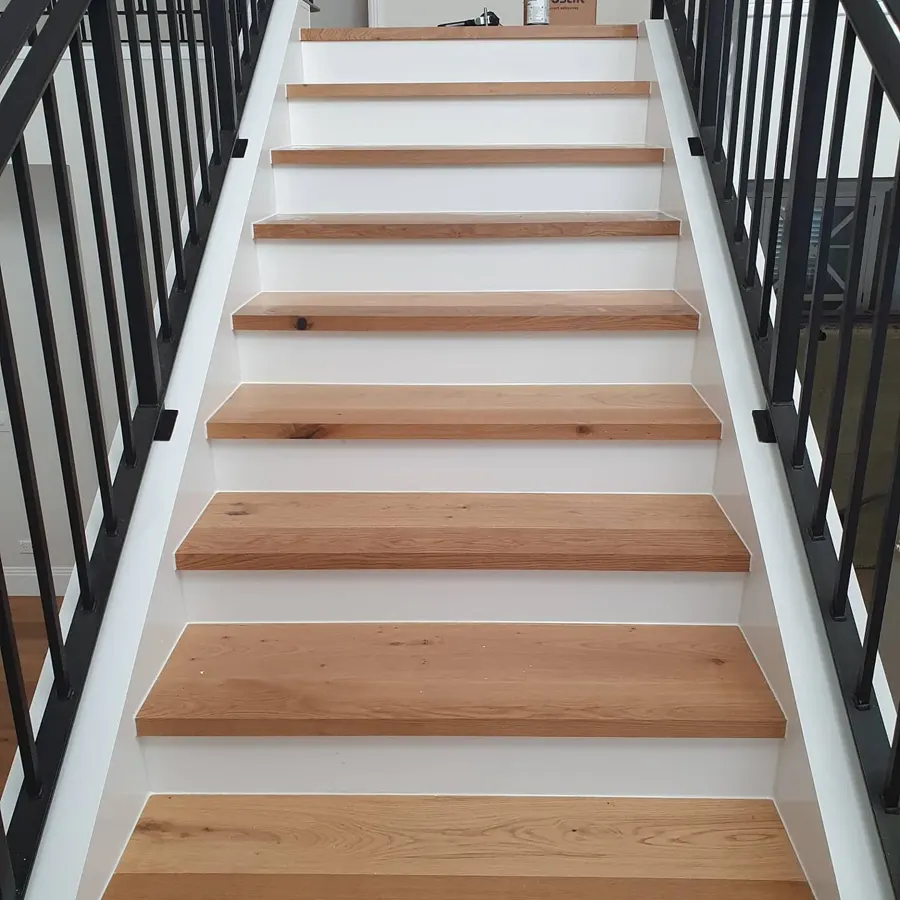
  • Timber stair treads on white risers, with fine white sealant lines along each junction with the stringerTimber stair
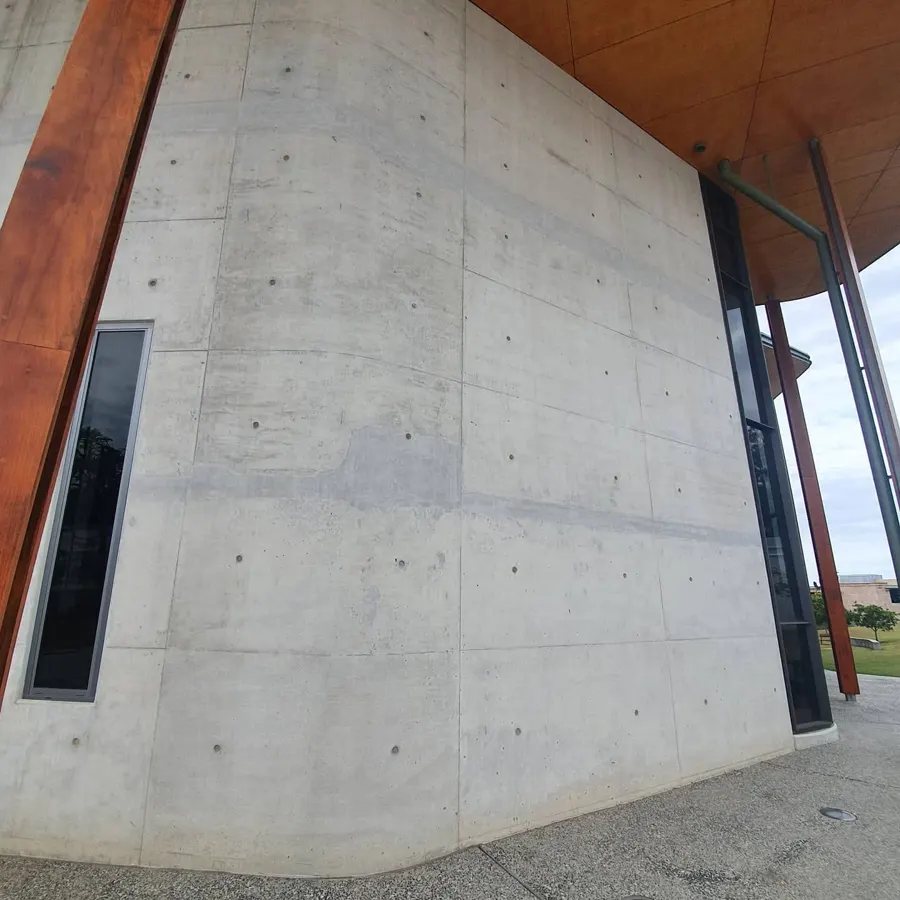
  • A curved off-form concrete wall with tie holes and panel lines under a timber soffitOff-form concrete wall
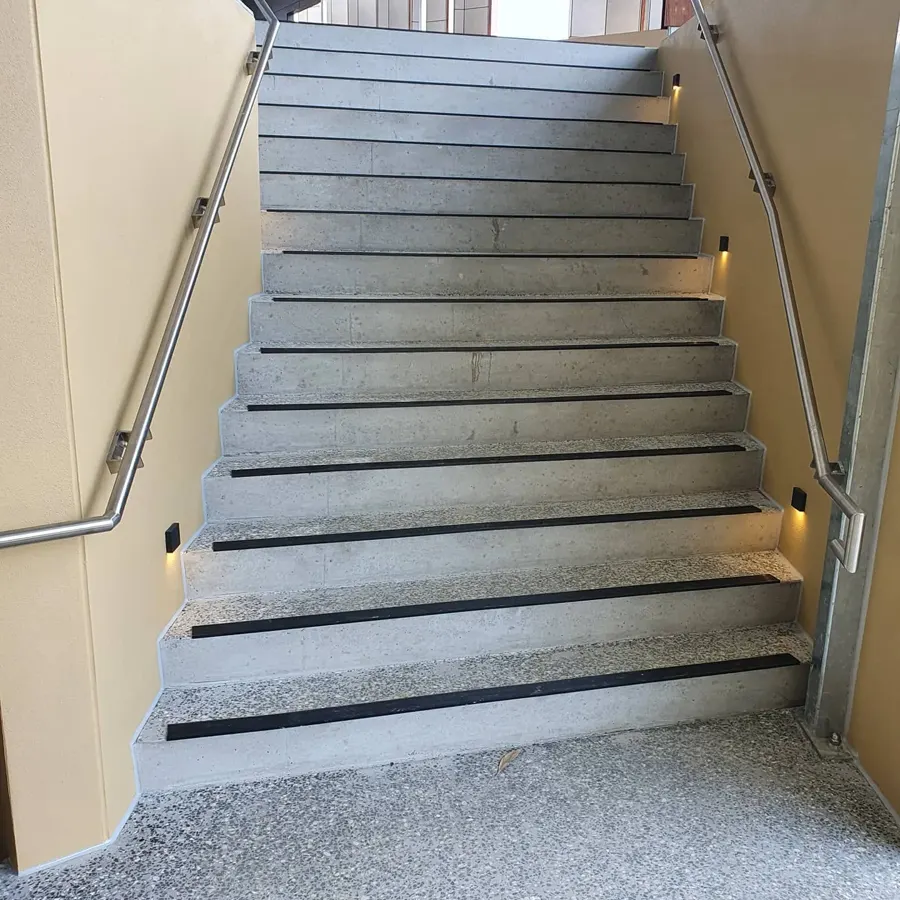
  • A concrete stair with black nosing strips between rendered walls and steel handrailsConcrete stair
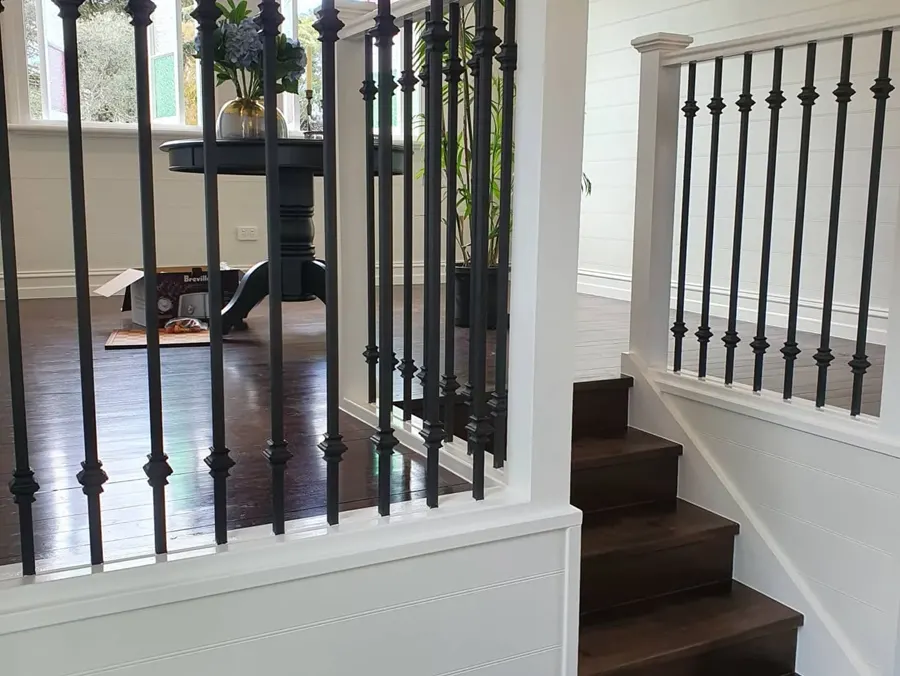
  • A white panelled stair with black balusters and dark timber treadsStair and balustrade
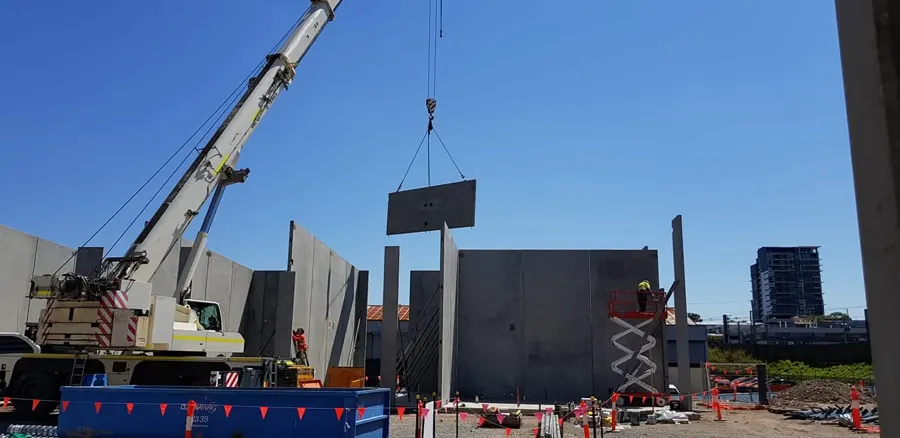
  • A crane lifting a precast concrete panel into place on a commercial building siteTilt panel build

Who turns up.

Tyson Gideona

Principal

Tyson's profile goes here: two or three lines in his own words, edited only for length.

Who calls us.

Builders

Caulking packages priced to program for new builds and fit-outs, from wet areas to facade lines. Inductions and SWMS as standard.

Body corporate and strata

Remedial sealing and concrete repairs on common property: balconies, walkways, facades and car parks.

Commercial and facilities

Planned maintenance and defect rectification with tidy sites, scheduled windows and clear communication.

Homeowners

Straight answers and clean finishes on bathrooms, driveways, patios and pool surrounds.

Coomera to Coolangatta.

Based on the coast and working the length of it. If the job is worth doing properly, we will travel for it.

  1. Coomera
  2. Helensvale
  3. Southport
  4. Surfers Paradise
  5. Nerang
  6. Broadbeach
  7. Robina
  8. Varsity Lakes
  9. Burleigh Heads
  10. Palm Beach
  11. Currumbin
  12. Coolangatta

And the suburbs between.

Straight answers.

Why not run new sealant over the old joint?

Because it fails. New sealant needs clean, sound faces to bond to. We cut out the old joint, prep the faces and reseal, so the new bead actually holds.

What is concrete spalling?

Concrete breaking away from the surface, usually because the steel inside has rusted and expanded. Left alone it spreads. Caught early, it is a patch rather than a reconstruction.

How long does sealant last?

It depends on exposure and movement. External joints in the Queensland sun wear faster than internal ones. At inspection we tell you honestly what condition yours are in and what actually needs doing.

Do you work with builders and body corporates?

Yes. Inductions, SWMS and scheduled works windows are part of normal service, and common areas are left clean every day.

How do I get a price?

Send photos and rough measurements through the form, or book a site inspection. Straightforward scopes can often be priced from photos.

Get a straight answer on your job.

Tell us what needs sealing or patching. We come back with what it needs, what it does not, and a price in writing.

Hours
Monday to Friday, on site early
Service area
Gold Coast, Queensland
Call Get a quote